
I had a plan for this week. The Language of the Deep was going to carry us gently into the imaginal realm - dreams, synchronicity, the strange ways the soul speaks when the mind finally quiets down. That's still coming. But an interruption arrived, and I've learned to pay attention when that happens.
The interruption came from astrologer Yasmin Boland, in a piece called "Barbault's Basket and the Rise of the Divine Masculine.” She writes about the rare planetary configuration we explored a couple weeks ago and highlights that Jupiter, Uranus, Neptune, and Pluto have all just moved into astrological signs that are considered masculine. The "splendid relaunch of civilization" that astrologer André Barbault predicted in the 1990s may be showing up, strange as it may sound, on soccer fields. We might’ve just seen it in action at this year’s men’s World Cup.
Boland points to Norway striker Erling Haaland: six-foot-five, Viking-built, ferociously strong - and also playful, affectionate, unashamed of tenderness toward his teammates. He celebrates goals by sitting cross-legged on the pitch, hands folded, eyes closed. A meditation pose, in the middle of one of the world's most intensely competitive masculine arenas.
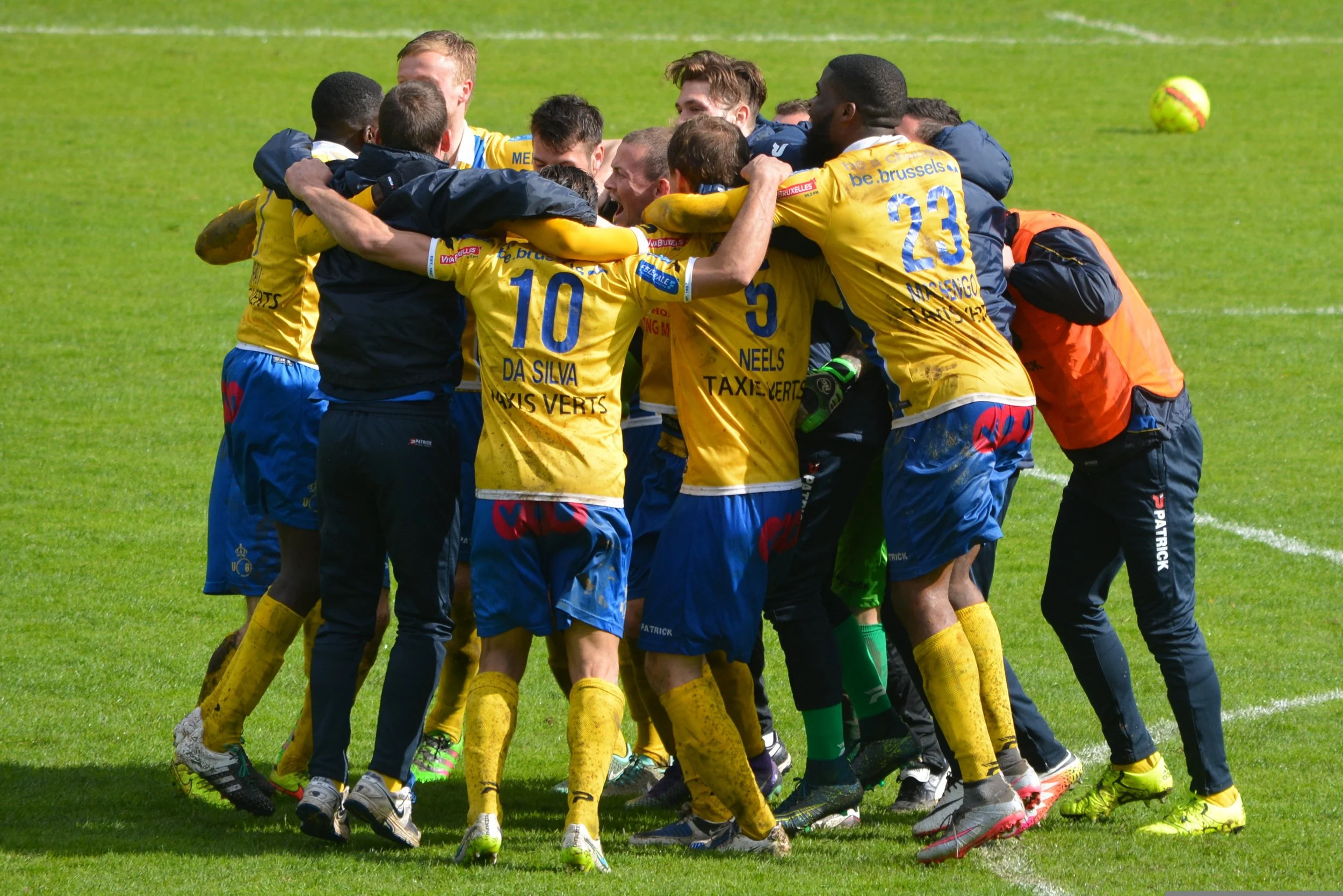
Then there's the image that really moved Boland. After a bruising third-place match between England and France, players from both sides - men who'd just spent ninety minutes trying to defeat one another - formed a circle, wrapped their arms around each other, and prayed. In front of the whole watching world, the macho contest shifted into something softer. Something sacred.
Boland calls this the Divine Masculine rising. Not domination, not conquest, but power that has found its humility. And she wonders, with some cautiousness, whether Christ is returning to our collective imagination too. Not Christianity-the-institution, she's careful to say, but Christ as portrayed in the paradoxical power of Jesus. Strength rooted in love, courage that serves rather than subdues, compassion for the marginalized, and forgiveness as a primary spiritual practice.
As I read her essay, I kept thinking about something we explored together last April, The Sacred Balance: Reigniting the Feminine and Masculine Within. We talked then about the feminine archetype as water - receiving, sensing, connecting, and flowing - and the masculine archetype as fire - clarifying, initiating, and daring to move. Both are necessary, and both become dangerous when they exist alone.
Our patriarchal culture has lived for a very long time with too much fire and too little water. The result is control mistaken for strength, productivity mistaken for purpose, and aggression mistaken for courage. The gift of the masculine has curdled into its shadow. The deeper invitation that is written in the stars is not to reject the masculine. It's to go with the flow of the emerging spirituality and redeem it.
This redemption of the masculine is a profound and important cultural movement. But its power also lies much closer to home. The invitation is for each of us to peer into the ways we relate to our own power.
What happens in you when your strength is threatened? When you are afraid, do you move toward control, certainty, and the need to prevail? Do you become harder, louder, or more determined to have your way? Do you shrink or get small? Or can your strength remain present, clear, curious, and open to listening?
Can you act decisively without needing to dominate? Can you be powerful without becoming hard? Can you protect without possessing? Can you lead without needing to be above? Can you surrender while staying centered and grounded?
What Boland saw displayed in the recent World Cup, and what we leaned into last April, was a balancing of feminine and masculine, of fire and water. A new consciousness is pressing us with an invitation. Strength is being asked to remember tenderness. And a new, more compassionate masculinity is learning how to kneel.
The astrology of 2026 - and July in particular - seems to be pointing toward a dawning sensitivity, a shift in the way we understand power, and a collective invitation toward a more compassionate expression of the masculine.
But astrology points to energetic currents, not guarantees. The stars do not do our inner work for us. They may, however, illuminate something that is already asking to be seen.
And perhaps the question arriving now at our door is this: What would it mean for your strength to become more tender without becoming less powerful?
I invite each of us to sit with these questions. Not so much as an intellectual discussion about the Divine Masculine, but first as an invitation to notice what is happening within us. Where fire and water meet, where strength has already learned to soften, where tenderness may be ready to step forward with strength, and where something deeper, stronger, sacred, and more whole may be trying to emerge.
With gratitude to Yasmin Boland, whose full essay - rich with more than I could hold here - is well worth your time: "Barbault's Basket and the Rise of the Divine Masculine"